Woodland Slow Walk
A seven-day sequence of daily forest walks, each with a different sensory focus. Suitable for woodland, parkland, or any area with significant tree coverage.
A collection of educational programs built around low-intensity outdoor activities. Each program offers a loose weekly structure — adaptable to your location, season, and available time.
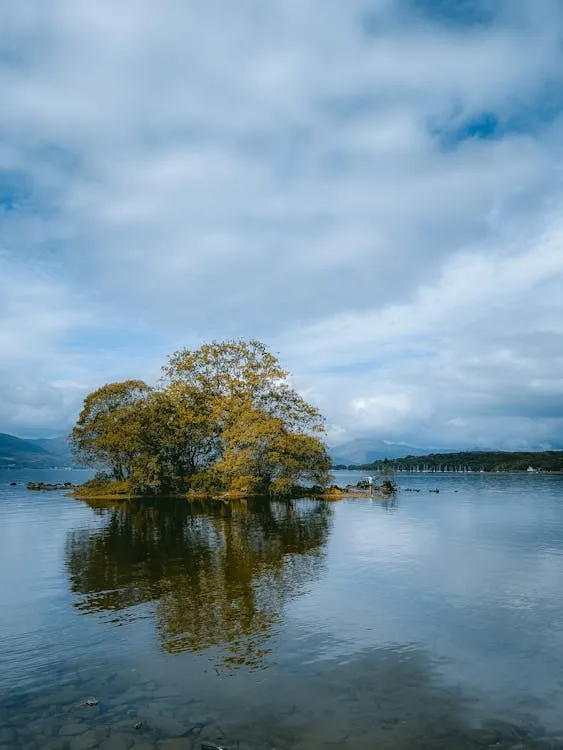
Each program below focuses on a different kind of natural environment and a different quality of outdoor engagement. They can be explored independently or combined across a single week.
A seven-day sequence of daily forest walks, each with a different sensory focus. Suitable for woodland, parkland, or any area with significant tree coverage.
Five short daily outdoor sessions focused on breath awareness in open environments — parks, hillsides, open water edges. Each session is 10–15 minutes.
A five-day early morning outdoor routine using natural light as the primary focus. Combines a short walk with a sitting period during the first hour of daylight.
This schedule illustrates one way to distribute outdoor activities across the week. Each day suggests a different type of activity — not as a requirement, but as a prompt for variety.
Stand or sit in an open space away from traffic. Breathe at a natural rhythm without counting or forcing. Allow the pace of your breath to adjust to the environment gradually over several minutes.
Walk outdoors within the first hour after sunrise. Keep pace gentle and avoid dark glasses where safe. The quality of early-morning light in open environments is distinctly different from mid-day conditions.
Sit within sight or sound of moving or still water. There is no activity required — simply remain in that location for the allotted time, allowing the sound and movement of water to anchor attention.
One day per week without a defined practice. Go outside without a plan. Walk if you want to walk, sit if you want to sit. The absence of structure is itself a form of outdoor engagement.
Starting a regular outdoor routine does not require preparation. These four steps take fewer than ten minutes to complete.
It does not need to be remote. A local park, a tree-lined street, or a garden all qualify as natural environments for these practices.
Select a single practice from the schedule above. A 15-minute walk or a 10-minute outdoor sit is enough to establish the habit.
Choose a time of day that is already free in your schedule. Attaching an outdoor practice to an existing transition — morning coffee, lunch break — makes consistency easier.
The second time you do it will feel different from the first. The tenth time will feel different from the second. Consistency matters more than technique at the beginning.