Walking slowly through woodland
A practical guide to low-intensity forest walking — from choosing a route to what to notice along the way. No equipment required. No distance goals.
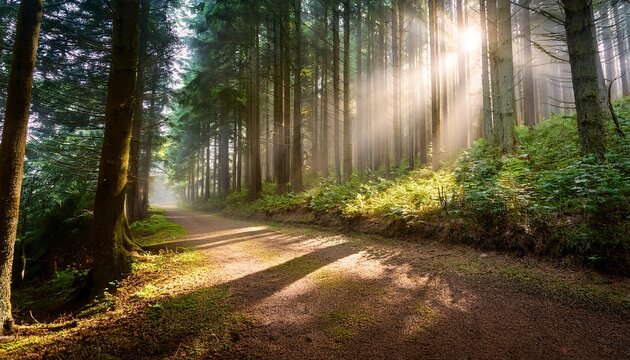
How to structure a forest walk
These steps form a loose framework. Each stage is an invitation, not an instruction. The goal is simply to be present in the environment around you, at whatever pace feels natural on a given day.
Choose your entry point
Start at a place where the transition from built environment to natural space feels clear. The edge of a wood, a trailhead, or simply a gate into a field. Stand at the threshold for a moment before entering.
Set your pace deliberately
Walk slower than your habitual speed. If you find yourself rushing, slow down until the environment begins to come into focus — sounds separate, textures become distinct, and the path ahead narrows your attention.
Choose one sense at a time
Spend five minutes listening only. Then shift to what you can see at ground level. Then notice texture — bark, moss, stone — by touching surfaces within reach. Moving through senses one at a time keeps attention from scattering.
Find a place to stop
About halfway through your planned walk, find a spot to sit or stand still for 10 minutes. A fallen log, a clearing, a bend in a stream. Let the environment settle around you before you move on.
Return along a different route
When practical, take a slightly different path back. Familiar surroundings seen from a different angle often reveal details that go unnoticed when walking in a single direction.
Exit slowly and pause at the boundary
As you return to the edge of the natural space, pause again at the transition point. Notice the shift in sound, light, and air. This brief pause marks a clean end to the practice.
Before you go
Leave the phone on silent
Or leave it in a pocket, screen-down. Many people find it easier to stay present when there is no pull towards notifications during the walk.
Duration is flexible
Twenty minutes is enough for a useful walk. There is no minimum requirement. Shorter, more frequent outings are just as valuable as longer ones.
Weather adds texture
Rain, wind, and overcast skies each offer a different quality of outdoor experience. Dressing for the conditions and continuing regardless is part of building a consistent outdoor habit.
Comfortable footwear matters
Shoes that suit the terrain allow you to focus on the environment rather than your footing. For soft ground or uneven paths, low walking shoes or boots make a practical difference.
Solo or with company
Walking alone offers space for quiet attention. Walking with others who share a similar pace can make the practice social without losing the calm of the environment.
Bring water on longer walks
For walks over 30 minutes, carrying water removes the need to cut the walk short. It also removes one source of low-level distraction during the practice.
Things worth knowing
Familiar routes work well
You do not need to explore new places. Returning regularly to the same stretch of woodland creates familiarity that makes subtle changes easier to notice over time.
Morning and evening feel different
The same route walked at dawn and at dusk will present a noticeably different sensory environment. Both are worth exploring over the course of a week.
Seasonal change is part of the practice
Returning to the same area across different seasons builds a longer relationship with that environment — its rhythms, inhabitants, and changing qualities of light.